bookshelf/
What I'm reading my way through. Ratings only on finished books, and only my own use of them.
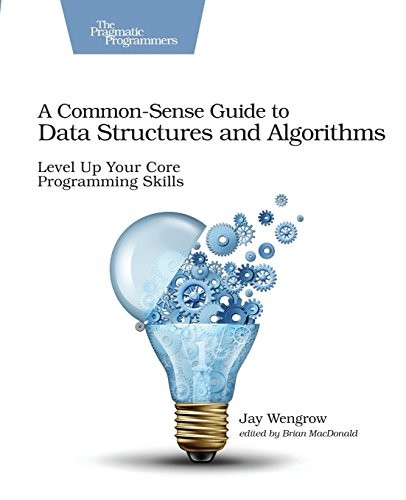
A Common-Sense Guide to Data Structures and Algorithmsreading
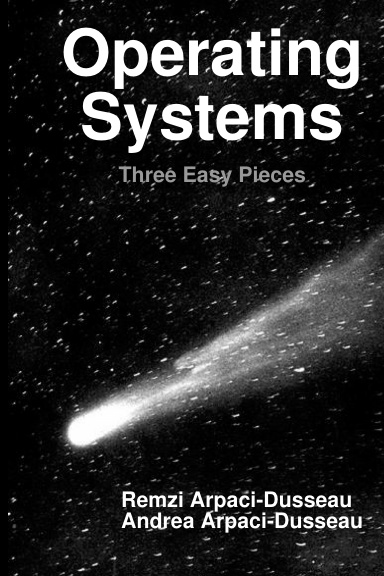
Operating Systems: Three Easy Piecesreading
Working through this alongside the ostep-homework repo.
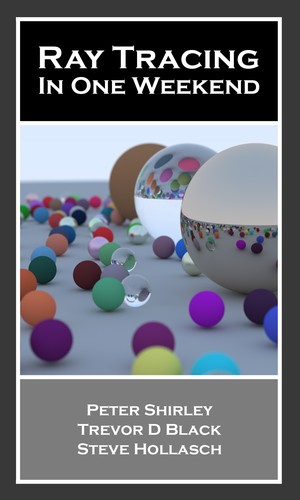
Ray Tracing in One Weekendreading
Reading along with my raytracer implementation i'm currently working on.
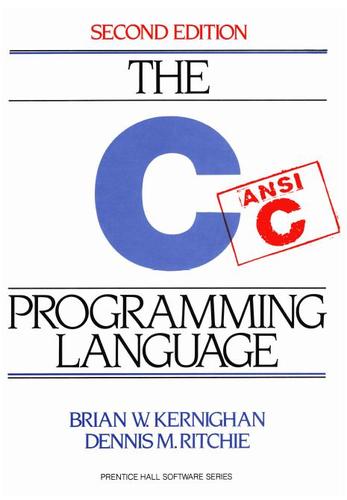
The C Programming Languageup next
The original C reference.
Code: The Hidden Language of Computer Hardware and Softwarewant-to-read
Builds up from switches and relays to a working computer, one idea at a time.
Computer Systems: A Programmer's Perspective, 3rd ed.want-to-read
The systems book that ties hardware, OS, and compiler together.
Designing Data-Intensive Applicationswant-to-read
Essential Mathematics for Games and Interactive Applications, Third Editionwant-to-read
The math side of graphics programming: vectors, matrices, transforms, and the geometry behind games and interactive applications.
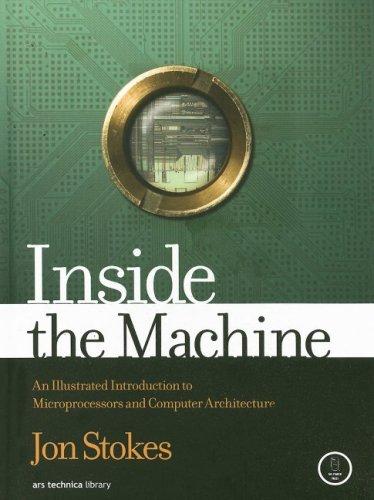
Inside the Machinewant-to-read
An illustrated walk through how a CPU actually executes instructions.
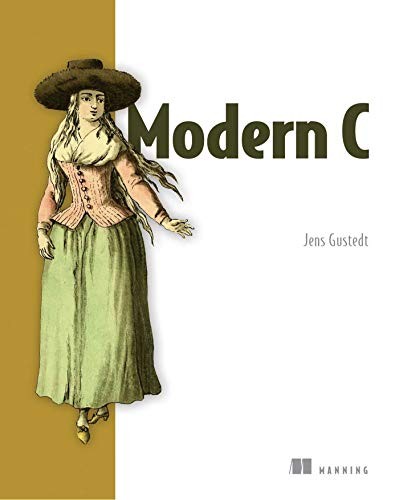
Modern Cwant-to-read
A more current companion to K&R, organized by experience level.
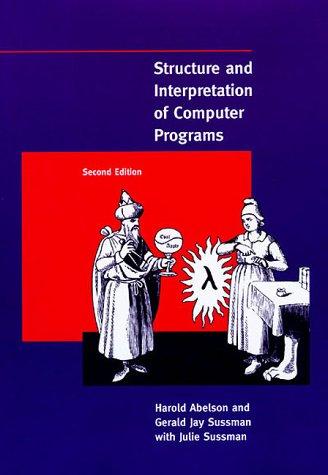
Structure and Interpretation of Computer Programswant-to-read
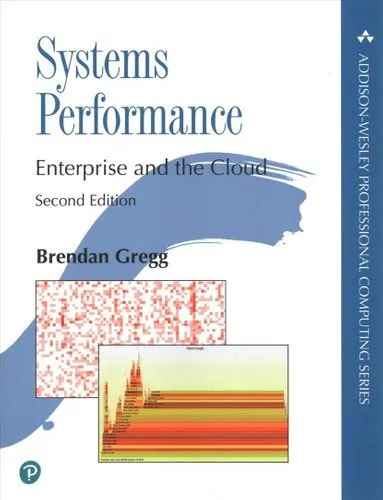
Systems Performance: Enterprise and the Cloudwant-to-read
TCP/IP Illustratedwant-to-read
The protocols of networking.
The Art of Computer Programming, Vol. 1: Fundamental Algorithmswant-to-read
You Are Not Expected to Understand This: How 26 Lines of Code Changed the Worldwant-to-read
But How Do It Know?finished
It was a pretty nice book, directed to teach non technical people how a computer actually works. Even if i was not the target audience i still had a great time reading it. Starting with a bits and explaining NAND gates you will finish with the concepts of an fully operational computer, like how RAM actually works.
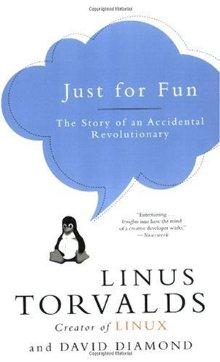
Just for Fun: The Story of an Accidental Revolutionaryfinished
There are books that age well, like The Pragmatic Programmer, and then there is this one. The origin story of Linus (the GOAT) creating Linux and his first contacs with computers, as well as his forum war with Andrew Tanenbaum, which I didn't know about before, were quite interesting and entertaining. The parts discussing open source were also really good. Other aspects, like the interviewers style of the book and his personal humor, just weren't my thing. Also, obviously, a lot is missing about the current state of Linux, as the book was written in 2000. I guess it's time for linus to publish another book.
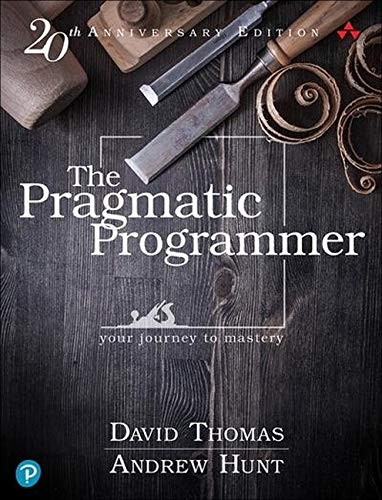
The Pragmatic Programmerfinished
Foundational software engineering practices. I would recommend everyone to read this (maybe even more than once), especially if you want to work on teams. Even if this book was published first 1999, all of the advice felt more relevant than ever. David and Andrew provided a great light read, love the names of the chapters. :)
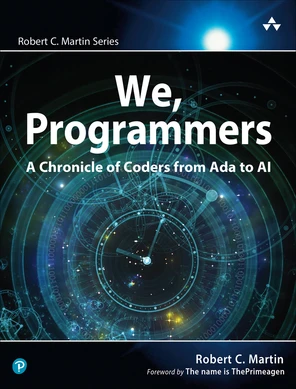
We, Programmersfinished
A great read on the novelized history of the people who built computing. From the beginnings of programming with Charles Babbage and Ada Lovelace till the current age of AI.